
Dentistry Through The Ages: Elderly Patients

Comment

Dentistry Through The Ages: Elderly Patients

thousandoaksfamilydentistry.com

Greetings and welcome to our on-going blog series, Dentistry Through the Ages. In these blog posts, we will cover age-group specific dental needs and concerns. Your life is constantly changing, and we want to equip you with the best information possible to keep your teeth healthy!

In this article, we will be covering the dental needs of our elderly patients. Current projections estimate that persons aged 65 and older represent between 13% and 17% of the current United States population. As such, the dental healthcare industry is becoming better adapted and prepared to handle the needs of an aging population. Our office wants to take a moment to highlight some predominant oral health concerns to keep you aware and healthy!

Dry Mouth (formally known as xerostomia) is one of the biggest concerns when treating elderly patients. As we progress into old age, our bodies become more susceptible to diseases, injuries and other medical concerns. These conditions will often result in new prescriptions and medications- many of which decrease saliva flow or limit the function of salivary glands. This, combined with the natural degradation of the parotid gland (a major salivary gland) with age, leaves many patients with little to no resting saliva.

Our saliva are crucial to limiting the activity and progress of cavity forming bacteria. As such, many patients will see an increase in cavities as they transition to old age. Certain biological factors put the elderly population at particular risk for root surface cavities, where decay arises in areas of gum recession or where the tooth meets the gum tissue. However, there are a number of great products to counteract the progression of cavities in old age. Fluoride products, remineralizing gels and xylitol rinses can all help keep decay and bacteria at bay. As an added bonus, xylitol products can help stimulate saliva flow to help combat dry mouth directly!

In addition to xerostomia, many elderly patients will encounter increased incidences of periodontal disease. Limited salivary flow, years of bacterial attacks and reduced immune response can all culminate to a loss of gum tissue and bone level. Many patients will be candidates for deep cleanings or a more frequent cleaning schedule to keep plaque and tartar levels down. Others with advanced periodontal disease may even be candidates for the services of a periodontist (gum tissue specialist).

For patients with very aggressive periodontal disease, teeth may need to be extracted. Depending on the extent of the condition, number of extractions needed and patient’s overall health, our office offers a number of tooth replacement options. Single teeth can be replaced permanently with bridges and implants or removably with a partial denture (depending on the location of the gap). Partial dentures use a metal framework to replace teeth and gum tissue back to a natural appearance. They benefit from using clasps to mount to permanent teeth and sit on the gum tissue.

Full dentures can provide the same esthetic results as partial dentures for edentulous (toothless) patients. Full dentures typically require about four to five appointments to take proper impressions, fabricate the denture, adjust it and deliver the final product. While this process is lengthy, it helps ensure a great fit that minimizes irritation to the gum tissue.


We hope you found our review of oral health concerns in the elderly informative and helpful. Our office is fully committed and equipped to care for aging patients and wants you to know you are in great hands.  If you have any questions about your oral health needs, our treatment options or any other concerns, please give us a call. We are always available to answer your questions!

Comment

Dental Library Review: Dear Tooth Fairy

Comment

Dental Library Review: Dear Tooth Fairy

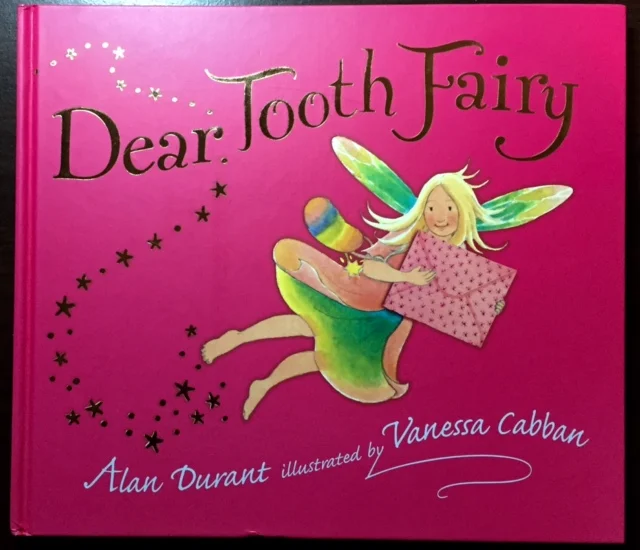
Welcome to The Dental Library Review! In this feature, we will be reviewing and highlighting different children’s books we have collected at our office. Our staff have personally used these books with their own children and have had great reception. Today, we will be going over Dear Tooth Fairy by Alan Durant (with illustrations by Vanessa Cabban).

This story follows interactions between Holly, a young girl who lost her first tooth, and the Tooth Fairy. Holly tries to deceive the Tooth Fairy by leaving plastic teeth under her pillow, but only receives a letter of concern in return. As the two exchange writings, Holly learns about the Fairy’s fantastic world. With a fun twist, the book includes all of their communications in separate, removable letters and envelopes. Interactive and Imaginative!

This hard bound book with fun surprises and large illustrations would be a perfect gift for a young girl losing her first tooth. We are sure it will bring your little ones hours of enjoyment with the fun letters from the Tooth Fairy! As with all the stories we review, feel free to check it out at your next appointment. We are always happy to do anything we can to get your family excited and educated about dental health topics!

Comment

Important Announcement Regarding Our February Schedule

Comment

Important Announcement Regarding Our February Schedule

thousandoaksfamilydentistry.com

Thousand Oaks Family Dentistry has some exciting news! Dr. Kari Ann Hong's third baby boy is scheduled to arrive the first week of February. As such, she will be out of the office from the 1st until the 14th (tentatively). However, our staff will still be available to help out and assist you in all your needs. Our office manager Michael will be available for emergency appointments, referrals and coordinating specialist visits. Additionally, our hygienists (Lori, Adrienne, Kristi and Sharon) will still be providing cleanings during this time period. If you have any questions about these changes to our schedule, please give us a call. Congrats Dr. Kari!!

Comment

Metal Fillings and Mercury

Comment

Metal Fillings and Mercury

http://www.thousandoaksfamilydentistry.com/blog/2015/1/19/metal-fillings-and-mercury#.VL276mTF_9s=

One of the most controversial topics in dentistry today is the use of mercury in dental materials. Metal fillings, known as amalgams, utilize the low melting point of mercury to create a metal substance that starts out moldable and solidifies to make a strong restoration. Knowing that mercury has harmful properties, why does the dental profession still utilize this material? We wanted to take a moment to explain how (and why) mercury is still used as a safe and predictable dental treatment. 

For starters, our office currently does not place amalgam fillings. This is not due to mercury toxicity or metal content, but rather that tooth colored fillings can now offer similar structural properties as amalgams, but with much better esthetics. All things equal, most patients would prefer a natural looking restoration over a metallic alternative. Still, many dental practices still place amalgams. The metal fillings are occasionally preferred over tooth colored materials due to location, size and user choice. Our office has a number of materials and technologies (such as the sonicfil system) that allows us to place tooth colored restorations with great predictability in a number of scenarios.

An important point in understanding mercury toxicity is acknowledging the different ways that mercury exists in our environment. Elemental mercury can be found in older thermometers, blood pressure cuffs and certain types of lightbulbs. While it is a toxic substance, it does not “stay” in our system; after exposure the harmful vapors are processed and released. This is contrasted to organic mercury (methylmercury, organomercury, etc.). Organic mercury “builds up” in ecosystems and causes health concerns associated with eating large fish, sushi and other seafood. Our bodies have a hard time clearing this compound, which can eventually lead to conditions such as mercury poisoning. 

The mercury found in amalgam fillings is unique, as it is “locked in" with other metals in an alloy. Extensive research has shown that properly maintained metal fillings leach little to no mercury into the body. In other words, while there may be mercury present in your fillings, it is largely shielded from causing any effects or systemic health issues.

The only real concerns with mercury in amalgam fillings are during placement and removal. These are the only occasions when the mercury is aerosolized or free to release vapor. However, dentists are very aware of this, and take many precautions to eliminate any potential harm. For example, our office uses two forms of isolation/suction when removing amalgam fillings, as to maximize the speed at which the vapors are evacuated.

Please do not heed the advice of television medical personalities who proclaim the many “evils” of amalgam. It is a strong, safe and effective dental filling material. Our office only removes dental amalgam due to patient preference or recurrent decay. We never recommend removing sound amalgam fillings due to mercury concerns. If you would like to know more about the mercury content in amalgam fillings, our office’s policies or why we place fillings, please give us a call. We want you to be confident and satisfied with all aspects of your dental treatment!


Comment

The Golden Proportions: A Case Study

Comment

The Golden Proportions: A Case Study

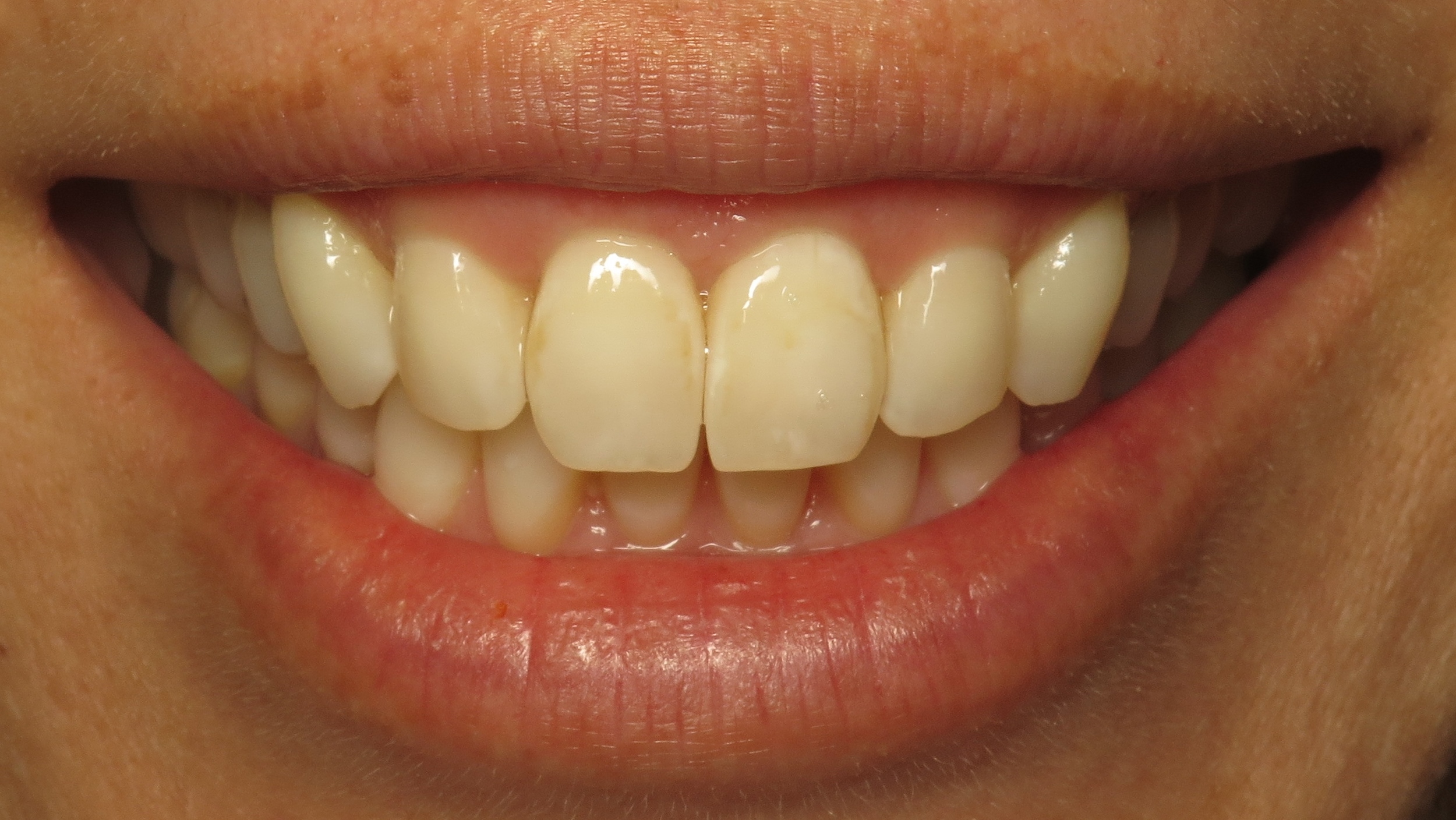
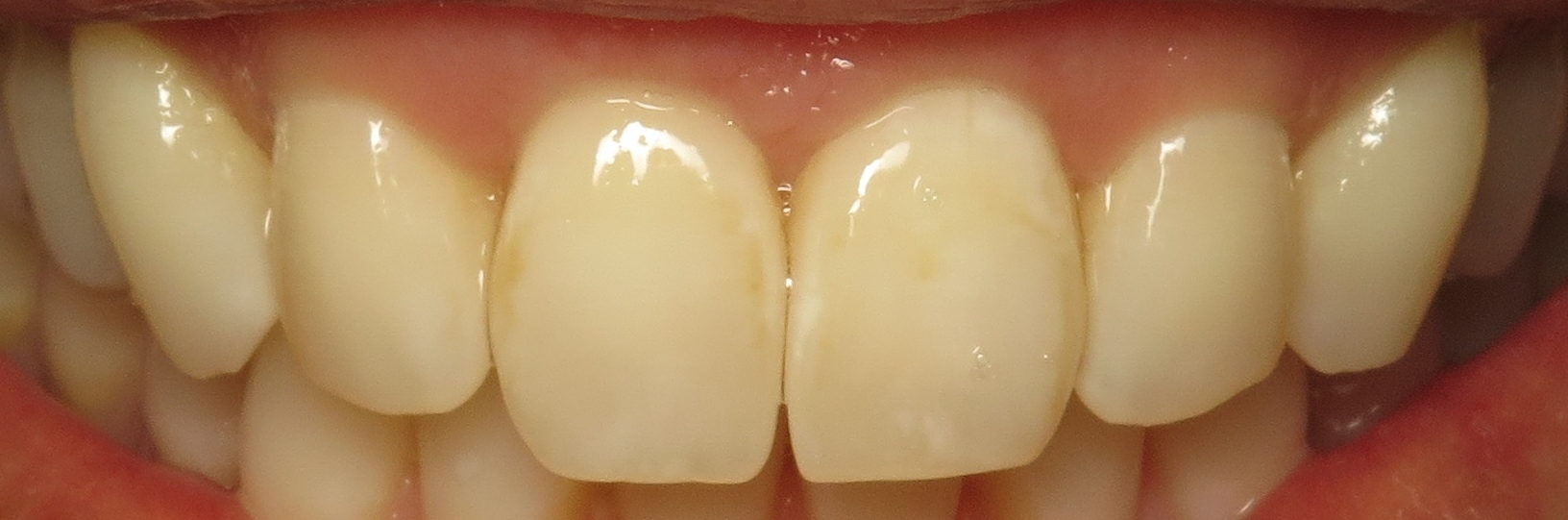
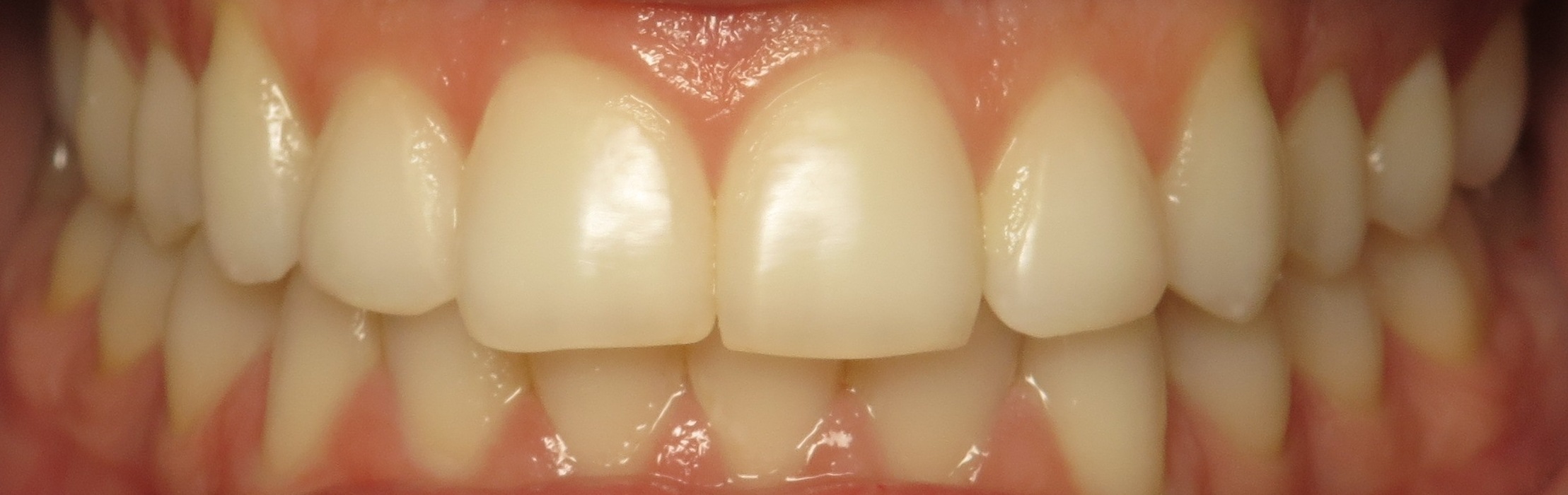
Last month, we posted a blog article on  The Golden Proportion, a set of dimensions based on ideal proportions found in nature. When it comes to the smile, these proportions are only one piece of the aesthetic puzzle. The position of the lips framing the teeth, the angulation of the teeth, and the location of the dental midline are all examples of factors that influence our interpretation of a pleasing smile. However, the golden proportion is an interesting feature to study, as it is so deeply rooted in mathematics.  To better explain how the golden proportion helps define facial esthetics, we assembled a few real-life cases for you to examine!

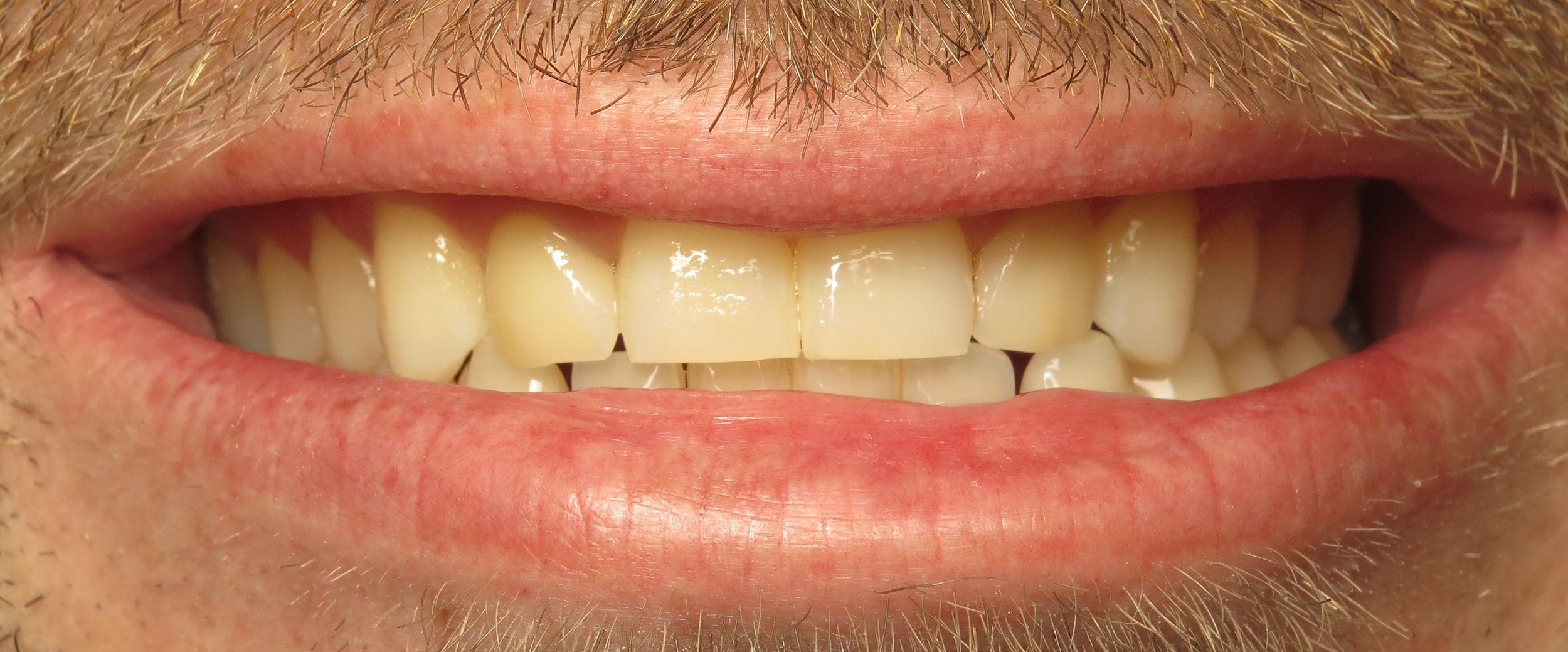
Case 1


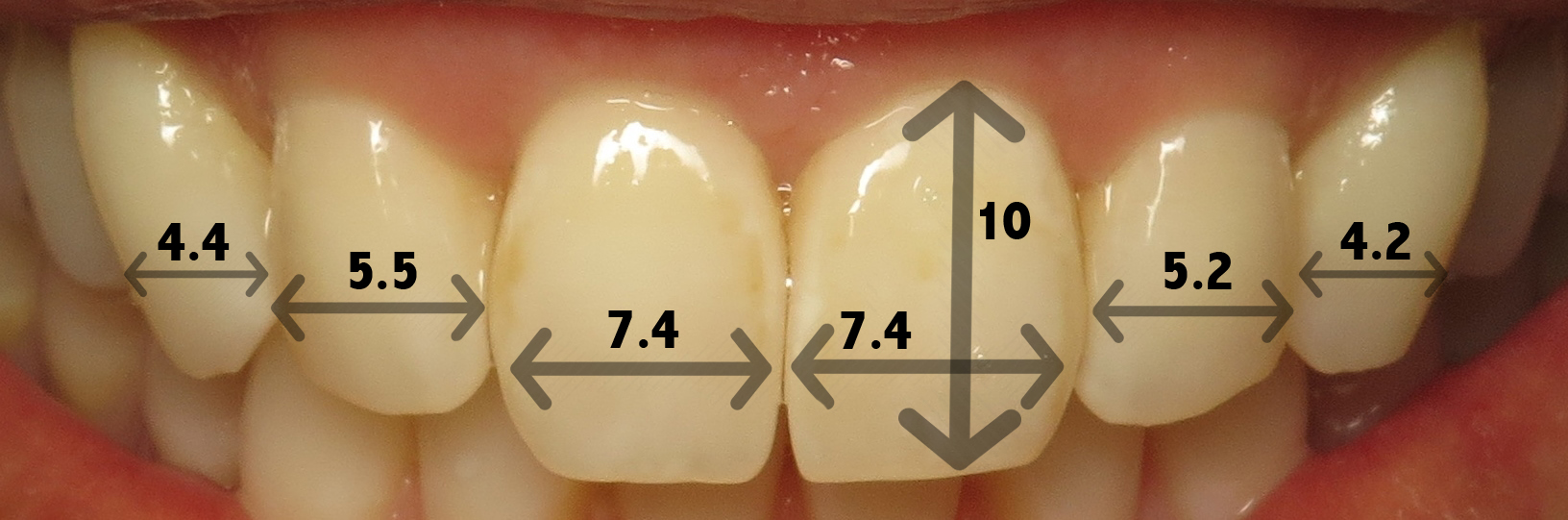
Central tooth width to length ratio: 74% (ideal is 75-80%)

Golden proportion ideal measurements based on a 2D picture:

  • Central 1.618
  • Lateral 1
  • Canine 0.168

Golden proportion ideal measurements, assuming the central is ideal width:

  • Central 7.4
  • Lateral 4.6
  • Canine 2.8

Comments:

Case 1 has centrals that follow an ideal width to length ratio at 74%.  In evaluating the golden proportion, the laterals and canines are wider than ideal. The frame of the lips is much wider than in Case 2 or 3, so the gum tissue above the gum/tooth margin is very visible.  

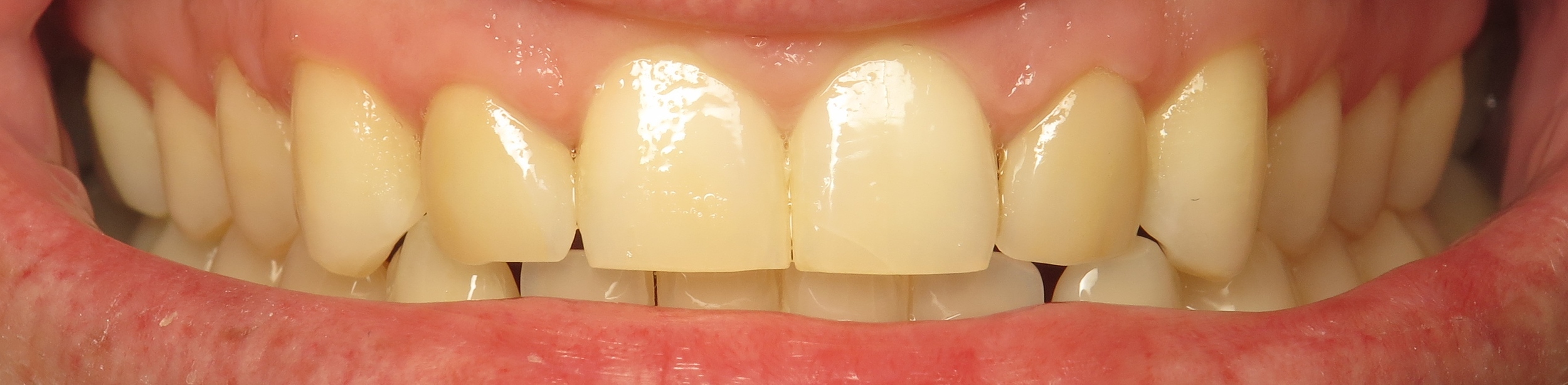
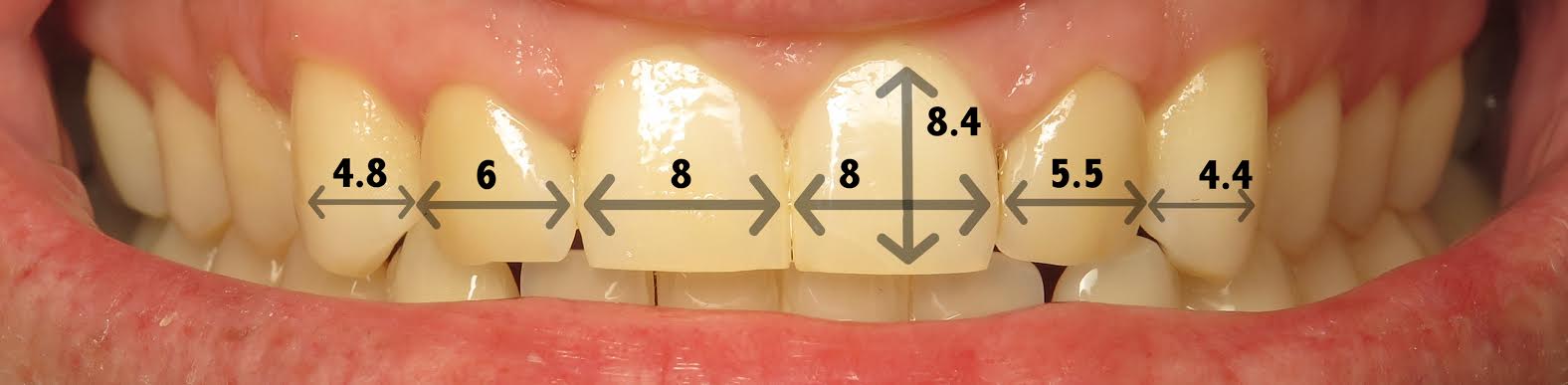
Case 2


Central tooth width to length ratio: 96% (ideal is 75-80%)

Golden proportion ideal measurements based on a 2D:

  • Central 1.618
  • Lateral 1
  • Canine 0.168

Golden proportion ideal measurements, assuming the central is ideal width would be

  • Central 8 
  • Lateral 4.9
  • Canine 3.0

Comments:

Case 2 has centrals that are nearly 1:1 in the width to length ratio and have a square appearance.  It appears that the centrals have some wear on the biting edge and that they could stand to be 1-2 mm longer.  The laterals and canines are slightly wider than the golden proportion measurement.  The patient's lips frame the overall smile so that hardly any of the biting edge or gum/tooth margin of the teeth show.  Thus, the aesthetic discrepancies are less noticeable.

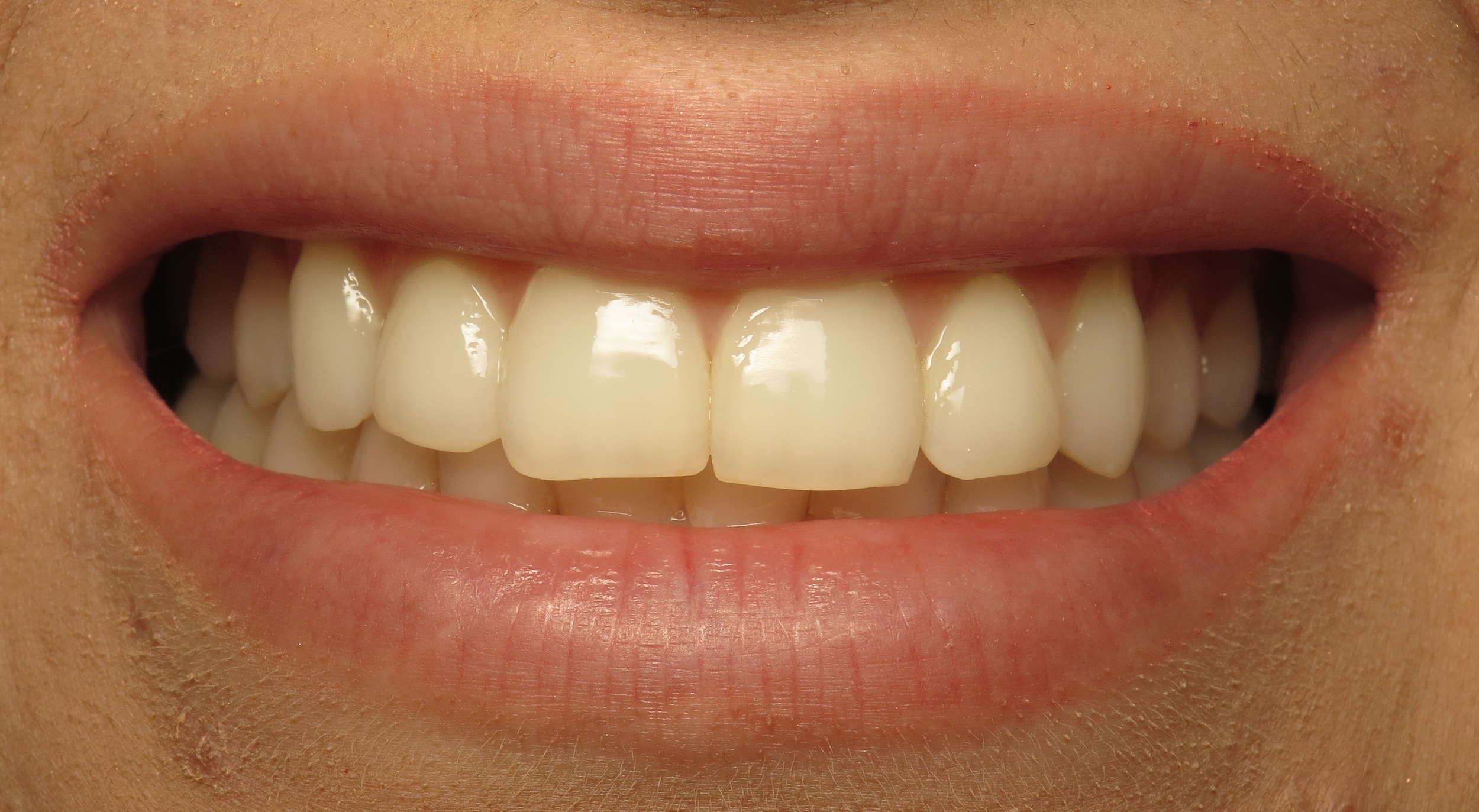
Case3


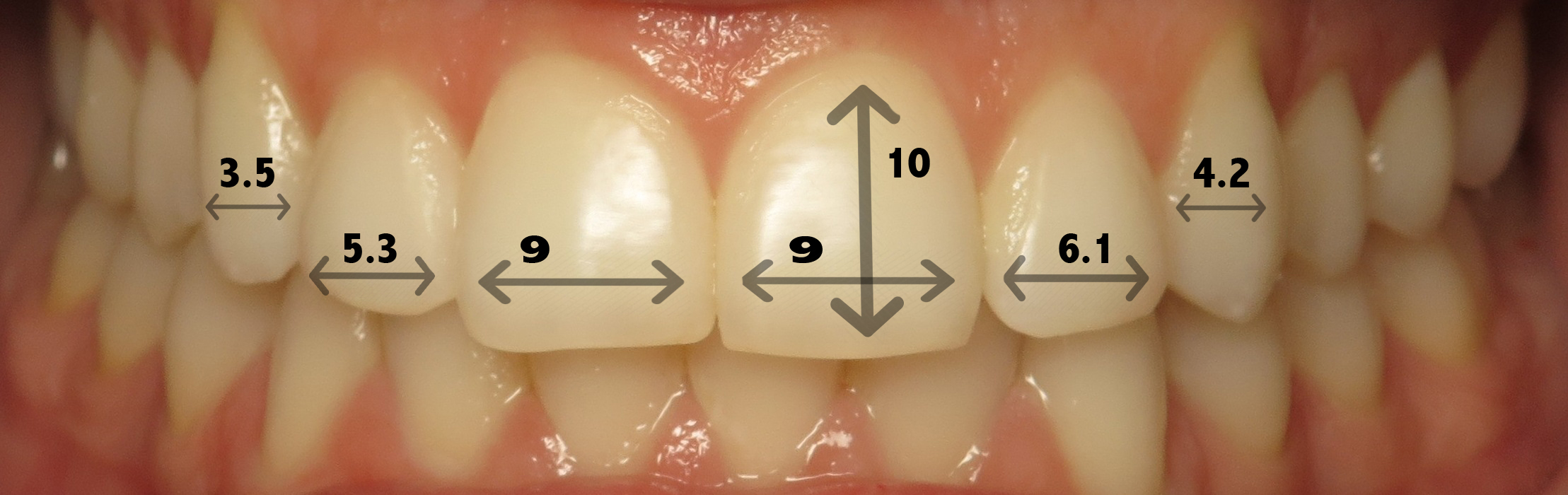
Central tooth width to length ration: 90% (ideal is 75-80%)

Golden proportion ideal measurements based on a 2D picture:

  • Central 1.618
  • Lateral 1
  • Canine 0.168 

Golden proportion ideal measurements, assuming central is ideal width:

  • Central 9
  • Lateral 5.6
  • Canine 3.5 

Comments:

In reviewing the three cases presented here, Case 3 has nearly exact golden proportions.  The central tooth width to length ratio is slightly greater than ideal at 90%, but the upper lip covers enough of the gum/tooth margin of the centrals that this ratio isn't as relevant in evaluating aesthetics.  Also, the upper and lower midlines are slightly off center from one another, but the upper central midline is perpendicular to the floor of the mouth and centered with the patient's nose.  Thus, the midline is aesthetic even though the upper and lower midlines don't match each other.


Comment

Dentistry Through the Ages: Adults

Comment

Dentistry Through the Ages: Adults

http://www.thousandoaksfamilydentistry.com/blog#.VLSZbWTF_9t

Greetings and welcome to our on-going blog series, Dentistry Through the Ages. In these blog posts, we will cover age-group specific dental needs and concerns. Your life is constantly changing, and we want to equip you with the best information possible to keep your teeth healthy!

In this article, we will be covering the dental needs of the adult population. For better or worse, this is one of the most stable periods of oral health. Patients who took good care of their teeth from childhood will likely continue to avoid cavities and plaque buildup. Likewise, those with poor oral health will need to work harder at keeping their gums and teeth clean.

Since tooth decay is (generally) caused by bacteria in the mouth, we can look at past histories of cavities as good indicators of the future. Patients with few dental problems (lower bacterial counts) will generally continue to have healthy teeth (and vice versa). However, changes in diet, medication and certain activities can interrupt the balance. This can be both harmful or beneficial. Healthy patients who start to eat more in response to stress or begin new medical regimens can find themselves developing their first cavities late in life. At the same time, patients with a history of tooth decay can introduce new habits or therapeutics to stop bacterial growth and improve their oral condition. This continuum is important to remember as we grow older, take on more responsibilities and develop new medical conditions and diseases.

The adult years are also the time that many patients start to show the signs of periodontal disease. Years of plaque buildup, trauma, and tartar deposits can leave your gums in less-than-optimal condition. While good home care can stave off the progression of gum and bone loss, some will find themselves in the need of a deep cleaning. Our office utilizes a range of services that can target many different stages of periodontal disease, from mild recession to severe pockets. Those with the most extreme losses of gum and bone height may be candidates for grafting or other periodontal surgeries, typically offered by a periodontist.

The important idea to remember in regards to adult oral health is that good habits will be rewarded with a healthy mouth. Even as your life becomes more complex and stressful, it is important to stay on top of your home hygiene. Our office is here to serve as a partner in keeping your teeth and gums in top shape- no matter what the concern. If you would like to know more about home dental care, cleanings or any other questions, please give us a call!


Comment

Specialist Spotlight- 1000 Oaks Childrens Dental Group

Comment

Specialist Spotlight- 1000 Oaks Childrens Dental Group

At Thousand Oaks Family Dentistry, we are proud of the network of skilled dental specialists we have created. Whether you are in our office or one of our associates’ offices, know that you will be treated with respect, kindness and experience. Today, we would like to highlight 1000 Oaks Childrens Dental Group, the office of Dr. Ahsan Raza.

As a pediatric dentist, Dr. Raza offers a wide variety of services and techniques that address the needs of younger patients. His office specializes in creating a positive experience that leaves children enthusiastic about their dental health. Dr. Raza prides himself on developing this environment through effective communication to both patients and parents. Education, personalized care and interactive treatment allow children to become relaxed and engaged throughout the dental appointment. For parents, a small office atmosphere and emphasis on safety and sterilization provide confidence and peace of mind.

Beyond communication, Dr. Raza manages children’s dental anxiety through a number of other techniques. The first thing you will notice upon entering his office is the fantastic and immersive spaceship theme. From the waiting room to the post-treatment toys, nearly every aspect of your child’s appointment will have an astronautical flavor. The extensive theming helps create a fun environment that distracts from the actual dentistry. The treatment rooms are also equipped with televisions, movies and video games to further entertain and divert attention. In addition, Dr. Raza will utilize a number of sedation methods for particularly fearful children. Nitrous oxide, oral sedation and IV sedation are all utilized to ensure the best possible treatment outcomes.

We love working with Dr. Raza because of his communication expertise and focus on prevention. This combination allows your child’s dental needs to be addressed appropriately and in a timely manner. If you would like to know more about 1000 Oaks Childrens Dental Group or any other of our fantastic specialists, please give us a call.  We want our patients to know they are in good hands, whether with us or one of our specialists.


Comment

Dental Library Review: The Tooth Book

Comment

Dental Library Review: The Tooth Book

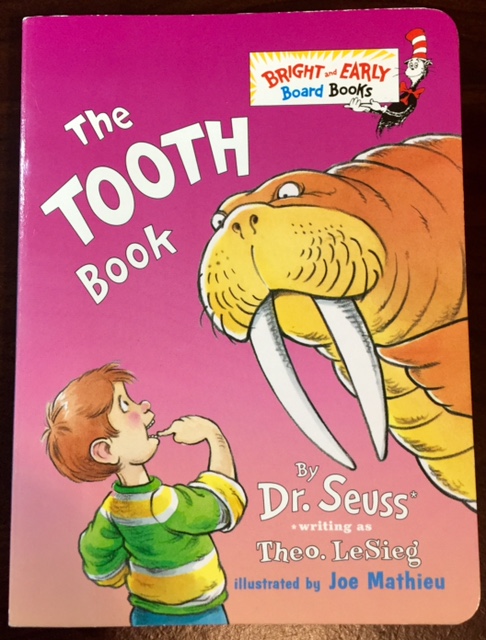
Welcome to The Dental Library Review! In this feature, we will be reviewing and highlighting different children’s books we have collected at our office. Our staff have personally used these books with their own children and have had great reception. Today, we will be going over The Tooth Book by Dr. Seuss (with illustrations by Joe Mathieu).

Being a classic Dr. Seuss storybook, this tale is full of whimsical rhymes and colorful illustrations; Joe Mathieu does a great job of pairing the fun poetry with equally entertaining imagery. In this early reader, we learn about all the fun places we can find teeth and why they are so important. We also get a short lesson in why we have to take good care of our teeth and what happens to boys and girls who eat too many sweets. Overall, it is a great mix of silly fun and important oral health concepts for small children.

Given the simple wording, thick pages and short storyline, this book is likely best suited for young readers or as a bedtime story. In fact, it is listed as a part of Dr. Seuss’ Bright and Early Board Books. As with all the stories we review, feel free to check it out at your next appointment. We are always happy to do anything we can to get your family excited and educated about dental health topics!

Comment

Floss and Flossing Alternatives

Comment

Floss and Flossing Alternatives

As you probably know, flossing is one of the best ways to preserve gum health, prevent decay and ward off tartar and plaque between the teeth. Even though this information nearly universal, only about 50% of Americans floss daily. Where does the discrepancy originate? For many, flossing either takes up too much time or doesn’t fit in with their schedules. Others simply don’t like using dental floss. With this in mind, we wanted to take a moment to introduce different types of floss, flossers and flossing alternatives. We are sure you can find a product that fits in with your dental care needs!

This Oral-B floss is both waxed and has a threader built in. 

This Oral-B floss is both waxed and has a threader built in. 

Although there are many different brands of traditional dental floss on the market, they all generally produce the same results. The real difference comes from preferences in packaging, flavoring and texture. For patients who have found floss too “sharp” or “cutting” to use, we suggest looking for a waxed variety. Furthermore, those with orthodontic appliances, bridges or permanent retainers might benefit from floss with an attached threader tip. While these varieties may be more expensive than using a reusable threader, they offer added convenience and ease of use.

GUM Soft Picks are great alternatives to traditional floss.

GUM Soft Picks are great alternatives to traditional floss.

Beyond traditional floss, there are a number of great alternatives designed to clean between your teeth. Many patients enjoy single-use flossers with handles, as they are portable, disposable and easy to use on-the-go. These devices are also great for kids who don’t yet have the motor skills to use regular floss. Others may prefer flossing picks, such as GUM Soft-Picks. These tree-shaped products expand below the gumline to remove plaque similarly to regular dental floss. Because of their shape, they great for cleaning around orthodontic appliances as well.

A Typical Water Flosser

A Typical Water Flosser

Water flossers such as the Waterpik systems can also be utilized in cleaning between the teeth. Research suggests they are not as thorough or effective as other flossing methods, but they still represent an improvement over doing nothing. There are certain scenarios where water flossers can be a benefit to patients with periodontal disease, but this needs to be evaluated on an individual level. As with any oral hygiene product, make sure to follow the manufacturer’s recommendations when using water flossers. Regularly changing tips and cleaning water reservoirs prevents the buildup of harmful bacteria and biofilms.


At Thousand Oaks Family Dentistry, we know that our patients are presented with a number of choices in dental home care. We want to give you the information to make the best choices for your personal needs. If you would like to know more about flossing, toothbrushes, toothpaste or any other dental products, please give our office a call!

Comment

Bisphosphonates and Dentistry

Comment

Bisphosphonates and Dentistry

There are many different types of bisphosphonates on the market. 

There are many different types of bisphosphonates on the market. 

At Thousand Oaks Family Dentistry, we take our patient’s medical histories very seriously. Every new patient appointment includes a questionnaire that covers hospitalizations, medications and trauma to the head and neck. While our records may seem tedious or unnecessary, they are vital to understanding and planning individualized treatment. For example, many dental-unrelated drugs will have side effects that manifest themselves in the oral cavity. One example of this are bisphosphonates, a type of drug commonly used to treat osteoporosis.

Osteoporosis is a medical condition that affects over 75 million people worldwide. Although many conditions trigger the onset of this disease, the result is always the same: decreased bone mass combined with increased porosity. While both men and women are affected, hormonal changes induced by menopause make the disease more prevalent in women. Bisphosphonates are a class of drug that counteract osteoporosis by down-regulating the cells that digest bone. These cells are normally utilized in balancing calcium and responding to fractures, but in osteoporosis they operate out of control. By preventing your body from absorbing bone, other cells can work towards repairing and thickening bone mass back to healthy levels.

While bisphosphonates can show great results in slowing or reversing the effects of osteoporosis, they also have a number of side effects. In the case of the oral cavity, their use can lead to increased risk of osteonecrosis of the jaw (ONJ). ONJ is a condition where the bones of the upper or lower jaw do not heal properly, typically following injury or invasive dental treatment such as extractions or gum grafts. Bisphosphonates are believed to interfere with wound healing, causing traumatized areas to become necrotic (dead tissue). The link between bisphosphonate use and ONJ is particularly strong in cancer patients who receive the drugs through an IV, but is also a concern in patients who take it orally.

Although the idea of developing ONJ may seem frightening, its risk is mitigated by effective planning and communication between physicians and dentists. This may include finishing all dental treatment prior to starting bisphosphonate therapy, or altering medications to minimize side effects. By working as a healthcare team, we can assure the best outcomes possible; even in complex diseases such as osteoporosis.  


Bisphosphonates and ONJ highlight the absolute importance of our patients’ medical histories. Being thorough and honest with our office can only result in safer and more appropriate treatment. There are hundreds of commonly prescribed drugs that can cause serious changes to the teeth and oral cavity. If you would like to know more about drug interactions and the mouth, please call our office. We are always striving to keep our patients informed, happy and healthy!

Comment