
Dental Library Review- Arthur Tricks the Tooth Fairy

Comment

Dental Library Review- Arthur Tricks the Tooth Fairy

http://www.thousandoaksfamilydentistry.com/blog/2014/9/8/dental-library-review-arthur-tricks-the-tooth-fairy#.VA5nNrywIrU

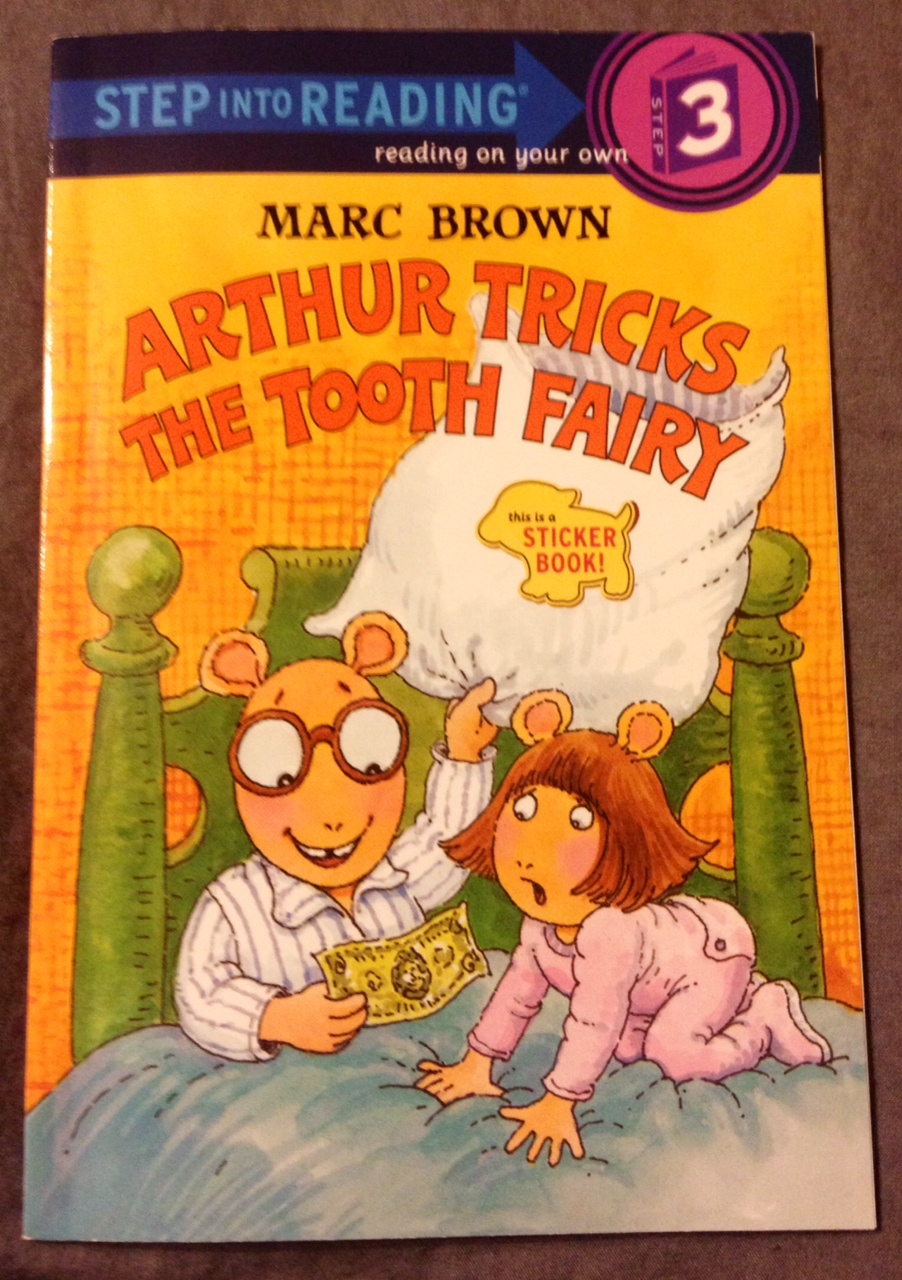
Welcome to The Dental Library Review! In this feature, we will be reviewing and highlighting different children’s books we have collected at our office. Our staff have personally used these books with their own children and have had great reception. Today, we will be going over Arthur Tricks the Tooth Fairy by Marc Brown.

This book follows the characters and basic plot line of the popular Arthur books and TV show. In this story, Arthur looses a tooth and wakes up to some money from the Tooth Fairy. His sister, D.W., is both confused and jealous that she hasn't lost a tooth yet. After much deliberation (and a few attempts to prematurely remove teeth), she comes to the conclusion that she can trick the Tooth Fairy into visiting her. After catching wind of his sister's plan, Arthur decides to entertain D.W. by swapping her decoy tooth for a few dollars. 

In addition to being a great story, this book is a part of the Step into Reading learning program. This system categorizes books into five levels to encourage gradual development of reading skills. Being a "step 3" book, Arthur Tricks the Tooth Fairy is generally appropriate for first through third graders who can read on their own. It introduces some new vocabulary and has a fun set of stickers to match the words. A second set of stickers is also included, with instructions on writing your own story about Arthur and his friends. 

We love this book because it is an excellent story with fun additional content. We also feel this book would be great for younger siblings experiencing some "tooth fairy jealousy." As with all the stories we review, feel free to check it out at your next appointment. We are always happy to do anything we can to get your family excited and educated about dental health topics!

 

Comment

Dentistry Through The Ages- High School and College

Comment

Dentistry Through The Ages- High School and College

http://www.thousandoaksfamilydentistry.com/blog/2014/9/5/dentistry-through-the-ages-high-school-and-college#.VApz4bywIrU

Greetings and welcome to our on-going blog series, Dentistry Through the Ages. In these blog posts, we will cover age-group specific dental needs and concerns. Your life is constantly changing, and we want to equip you with the best information possible to keep your teeth healthy!

Today, we want to take a look at the special dental needs and concerns of high school and college students. Between classes, extracurriculars and socializing, this is no doubt a hectic time period. However, it is still important to remember the basics of dental care- brush twice a day, floss at night and schedule regular teeth cleanings. Bad habits and neglect developed during these times can last well into adulthood, causing irreversible damage to the teeth and gums.

For our patients in orthodontic treatment, please remember to work hard at keeping your brackets, wire and any appliances clean and debris free. Many young adults develop characteristic decay later in life as a result of poorly maintained teeth while in braces. Food stuck under brackets and wires can cause extensive erosion and demineralization that will eventually necessitate fillings. While the teeth may look and feel fine now, the weakened enamel will almost certainly become a problem. As always, take care to follow your orthodontist’s instructions. Some steps or recommendations may seem tedious, but they are all very important and can add months to treatment time if improperly followed.

During these more “studious” years, students often turn to brain food to keep themselves awake and alert during long hours at the library. Unfortunately, this type or prolonged snacking can create lengthy acidic environments in the mouth, leading to extensive tooth decay. For this reason, many patients return home from college and find themselves with their very first cavity. To counteract this, we recommend keeping snack sessions concise, ideally under 30 minutes. For those who need to “graze” to stay focused, we suggest avoiding sticky, processed foods and gravitating towards fresh vegetables, fruits or even cheeses. You can always follow up your snacks with xylitol mints or gum to assist in the remineralization process as well.

For better or worse, this time period is also hallmarked by many young adults experimenting with drugs and alcohol. We are here to remind you that almost every drug (prescription or illicit) will cause dry mouth to some degree. This is a surefire way to speed up the development of decay and cavities, above any other adverse interactions substance may cause. Alcohol is not exempt from this fact. Alcoholic beverages are carb-heavy and acidic, lending themselves to stimulating mouth bacteria and causing enamel erosion. Binge drinking can exacerbate this problem, through prolonged mouth acidity, vomiting, and “passing out” (going to sleep without brushing teeth/sleeping with a dry mouth). Overall, students who choose to party frequently may be faced with a host of oral problems later in life.

In total, many patients who developed good oral care as children will carry it through college and to adulthood. While there are some specific concerns to patients in this age group, most of their dental care extends from the basics of home maintenance. We wanted to highlight some special circumstances that could reverse years of great dental care- before it became a problem. As always, our office is here to guide you and your family towards optimum oral health!

Comment

Retainers and Space Maintainers

Comment

Retainers and Space Maintainers

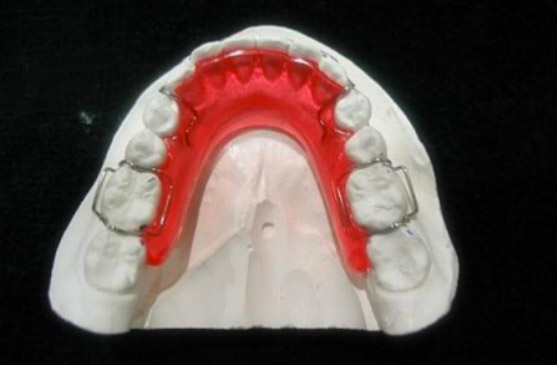
When most patients think of a “retainer,” they imagine a plastic and metal device that snaps across the upper or lower teeth. In reality, there are a whole array of products that assist in the retention and maintenance of tooth position. At our office, we offer a number of retainer solutions to keep your teeth beautiful and straight.

No matter what type of retainer, the general process for fabricating and delivering the appliance is the same. We typically need to take three types of impressions; one of the teeth that the appliance will fit on, one of the “opposing” set of teeth, and a final impression of how your teeth fit together when you bite down. The last two impressions help guarantee that the appliance doesn’t interfere with the occlusal surfaces (where the bottom and top teeth touch each other). Plastic and metal clasps covering these areas can potentially lead to an uneven bite, headaches and even jaw pain. After taking impressions, we need about two weeks for our lab to fabricate your appliance and send it back to us. When you return to our office, we will do some minor adjustments, check the fit and send you off with your brand new retainer!

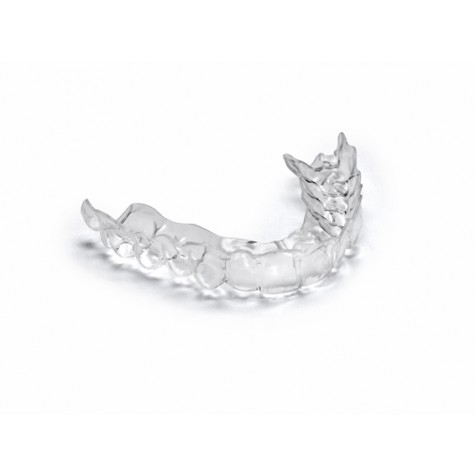
At Thousand Oaks Family Dentistry, we frequently deliver three types of retainers. The first is the Hawley Retainer. This is the most recognizable “plastic and metal” type appliance. It is removable, easy to clean and usually very comfortable to wear. This type of retainer typically best fits the needs of our adult and teen patients. We also offer clear plastic retainers, known as Essix Retainers. While these appliances are not as noticeable while wearing (the entire device is made from thin clear plastic), the nature of their constructions requires material to cover the biting surfaces of the teeth. This can lead to a whole host of painful problems, particularly in patients who grind or clench.

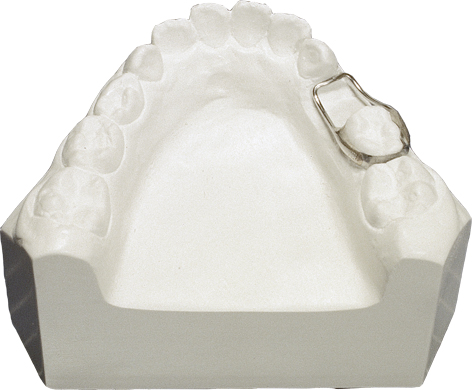
Finally, we offer a specialized individual tooth retainer called a Space Maintainer for young children who lose a primary tooth prematurely. Decay, cracks and infection can all indicate that a primary tooth needs to be extracted before the adult tooth is ready to erupt. Once removed, the adjacent teeth will typically “move in” and try to fill in the leftover gap. Since the primary teeth serve as placeholders for their adult counterparts, this shift can result in uneven or improper eruption of the adult dentition. A Space Maintainer counteracts this by holding the space of the lost primary tooth. It is physically cemented to the more rearward tooth and butts up against the more forward one, bridging the gap. We recommend space maintainers to almost all of our young patients having primary teeth extracted. This small device can save time, money and headaches by preventing the need for extensive orthodontic work or surgery to correct the adult tooth’s position.

On top of the retainers offered specifically at our office, there are a number of more complex devices aimed at maintaining tooth position. These appliances can be more discreet, maintain difficult cases or even provide mild repositioning or realignment. For our patients needing these devices, we will typically refer out to our network of wonderful orthodontists. They all have countless hours studying and fabricating these retainers, and can bring years of experience to your needs. After a consultation, we will gladly refer you out to a specialist to best suit your specific case.

As with any of the services offered at our office, a consultation and exam are necessary to determine the best type of retainer for your personal needs. If you are interested in having an appliance made, or have more questions about the process, please give us a call. We are happy to assist you with every step towards optimal oral health!

Comment

Video Blog on TMJ Pain and Night Guards

Comment

Video Blog on TMJ Pain and Night Guards

Greetings, my name is Dr. Kari Ann Hong and I have a family dentistry practice where I see patients from all age groups. In my practice, I see a number of patients that clench or grind their teeth at night.  This extra function at night can cause headaches, morning muscle pain when chewing, temporomandibular joint (TMJ) pain, tooth pain, and breakage of teeth.  The number one way to protect the teeth and muscle groups from the clenching and grinding is to wear a custom fitted night guard.

The first step in making a night guard is to take impressions of your teeth and to take an impression of how your teeth come together when your jaw is slightly open.  From the impressions, we make stone models that are used to fabricate a custom fitted acrylic night guard.  Usually we make the appliance for the lower arch.  During the one hour fitting appointment, we adjust the surface of the acrylic so that when the upper teeth touch the appliance, they all hit evenly.  Also, when you grind side to side or forward, the appliance is adjusted so that the majority of the force happens on the front off the appliance. This helps protect the facial muscle groups and the TMJ.

Due to concerns about the cost of a custom fitted night guard, sometimes patients will buy over the counter boil and bite type appliances.  The disadvantage of these boil and bite appliances, is that the opposing teeth don’t have freedom of movement, thereby potentially causing additional interferences for the TMJ and increased firing of the muscle groups that help our jaw open and close.  Depending on your medical and/or dental insurance plan, there usually is some coverage for a custom fitted night guard to treat TMJ pain.  If you would like to find out if a custom fitted night guard is right for you, and what your cost would be, please fill out the contact us page.


Comment

Viroxyn Cold Sore Treatment

1 Comment

Viroxyn Cold Sore Treatment

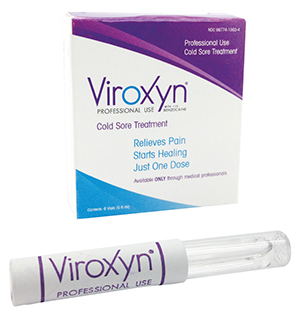
Viroxyn is packaged in a convenient vial/swab combination and can be applied in a matter of seconds. Credit: Quadex Labs

Viroxyn is packaged in a convenient vial/swab combination and can be applied in a matter of seconds. Credit: Quadex Labs

Every year, millions of Americans develop one or more cold sores on their lips. These blisters are unsightly, painful and contagious- often causing us to avoid or limit socialization while they are inflamed. Fortunately, there is an excellent medical solution to this pain and embarrassment. Our office is proud to offer Viroxyn- a professional strength cold sore treatment.

Cold sores are caused by a viral infection that enters the body via the mucosal tissue (i.e. lips) or dry/cut skin. Once inside, it can lie dormant for months or years, until it becomes activated and begins to replicate. As the virus grows, your body’s immune system kicks in and begins to supply the area with white blood cells to combat the infection. This process causes the typical cycle of pain, irritation and appearance of blisters associated with cold sores.

Untreated, the entire biological process takes about 2 weeks to resolve itself. The virus then becomes dormant until reactivated, as it is never actually eradicated from your body. Typical cold sore sufferers receive an average of 1-3 outbreaks a year, often coinciding with times or stress or irritation to the lip tissue. Dry weather, hectic work schedules and even sunburns can cause the virus to engage and begin replicating.

Viroxyn helps minimize the hassle of these outbreaks through a combination of an effective pain reliever and antiseptic. One applied, the topical anesthetic begins to numb the pain, while the antiseptic helps the body target and eradicate the active virus. Many patients find their pain eliminated in one hour, with the visible outbreak minimized in as few as three days. Viroxyn works best when the outbreak is caught early on, and is typically administered as soon as you feel the first signs of a cold sore. The medicine is delivered in a convenient single use swab system and takes less than a minute to apply. 

If you suffer from cold sores, please let us know at your next visit. This product does an excellent job of stopping pain from cold sores and can drastically shorten your time spent suffering with an unsightly blister. If you have any further questions about this product, or would like to learn more about what causes cold sores, please call our office. We are here to help in every way that we can!

1 Comment

Dental Library Review- Tooth Fairy

Comment

Dental Library Review- Tooth Fairy

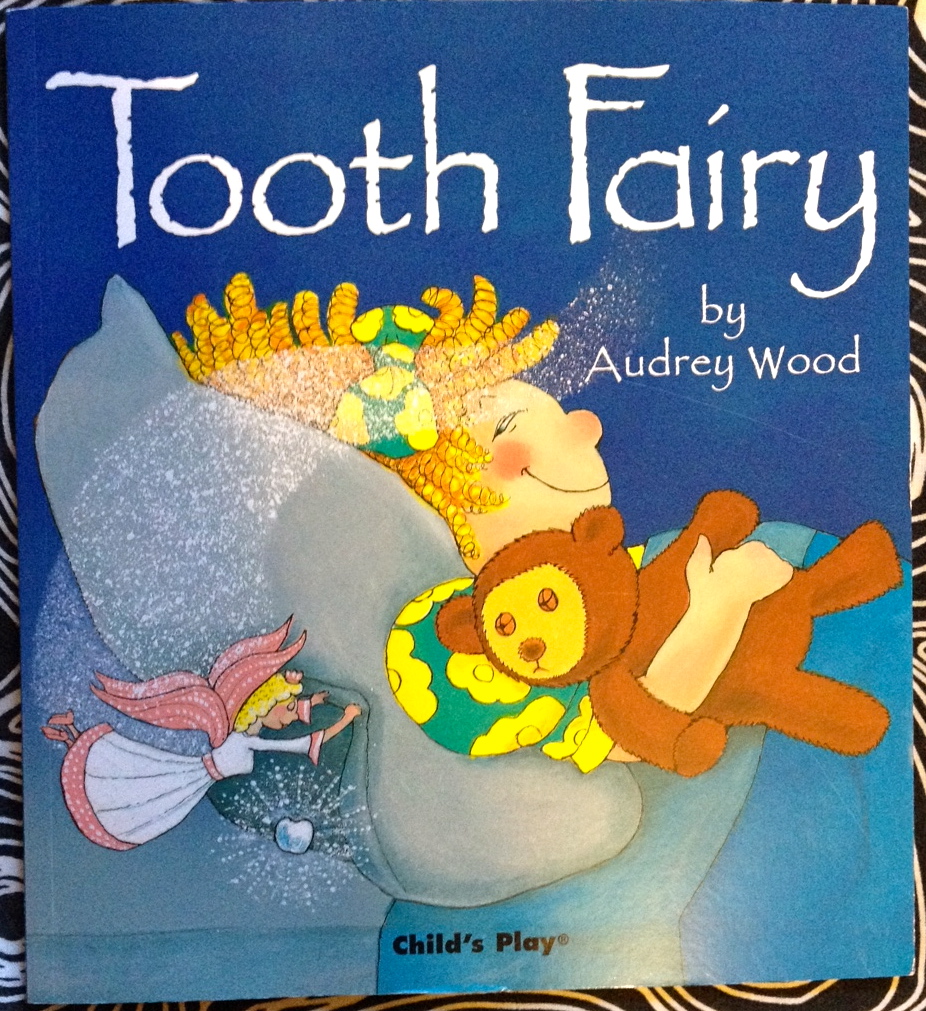
Welcome to The Dental Library Review! In this feature, we will be reviewing and highlighting different children’s books we have collected at our office. Our staff have personally used these books with their own children and have had great reception. Today, we will be going over Tooth Fairy by Audrey Wood.

This story follows Matthew, who just lost a tooth, and his sister, Jessica. Jessica decides she can trick the Tooth Fairy into bringing her treats along with her brother by painting a kernel of corn white. She proceeds to have a vivid dream about the tooth fairy and her magic kingdom. As Matthew’s tooth is placed in the hall of perfect teeth, hers is outed as a fake. The story concludes with Jessica waking up to a loose tooth, excited to have her own (legitimate) visit from the tooth fairy.

Being a picture-heavy book with little wording, this story is likely best for preschool and kindergarten aged children. It would make a great bedtime story for a first lost or “wiggly” tooth before the toothfairy actually comes. Our office likes this book because it avoids the concept of “lost teeth = money.” Matthew receives “treasure” for his teeth, including an apple and a toy car. This could be useful for your household, if the tooth fairy decides to bring toys or snacks instead of cash.

As with all of the story books at our office, feel free to stop by and take a look. In addition to this book, we have a collection of toys, stories and gifts all geared towards children’s dentistry. We want to do everything possible to get your family excited and informed about dentistry and oral health!


Comment

Dentistry Through the Ages- Toddlers and Young Children

Comment

Dentistry Through the Ages- Toddlers and Young Children

Greetings and welcome to our on-going blog series, Dentistry Through the Ages. In these blog posts, we will cover age-group specific dental needs and concerns. Your life is constantly changing, and we want to equip you with the best information possible to keep your teeth healthy!

Today, we want to take a look at the special dental needs and concerns of toddlers and young children. During this time period, your young one will undergo rapid growth and development, both physically and mentally. At Thousand Oaks Family Dentistry, we want to give you the best tools to keep up with their changing needs!

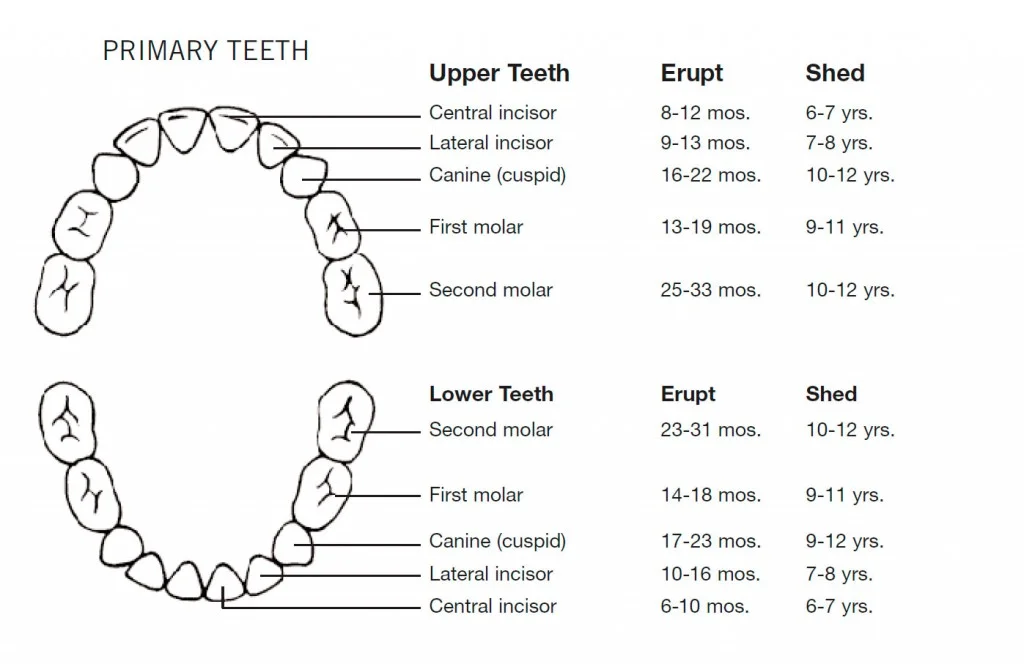
There are a number of milestones that can help you best gauge your child’s dental development. Typically, the first primary teeth to erupt will be the central lower incisors at around 8 months. These will be followed shortly after by opposing teeth, the upper central incisors at about 10 months. Likewise, the last primary teeth to be shed are the upper canines and second molars, which are lost as late as 12 years.

A chart showing the eruption and shedding ages for primary teeth. 

A chart showing the eruption and shedding ages for primary teeth. 

It becomes apparent that although the primary teeth will all be eventually be shed and replaced, they need to last a long time- from 5 to 10 years depending on the specific tooth. During this period, these teeth will serve as both mechanical tools for chewing and as placeholders for the adult teeth. It is important that primary teeth are lost naturally and not due to facial trauma or decay. If a tooth must be removed prematurely, we recommend placing a Space Maintainer retention device to hold spacing. Without this appliance, the adult teeth can come in crooked or unevenly, requiring extensive orthodontic intervention later in life.

A typical space maintainer on a model. The final appliance is gently cemented to the rearward tooth. 

A typical space maintainer on a model. The final appliance is gently cemented to the rearward tooth. 

Beyond the development of primary teeth and adult teeth, there are a number of ways you can give your young child the best start on their dental health. At 1 year of age, we recommend stopping the use of bottles and pacifiers. Studies show that the prolonged use of these products can cause improper oral development, including an open bite. You can limit pacifier use using the “snip” method, where a small amount of the pacifier base is cut off periodically, limiting your child’s ability to create satisfying suction with the device. Thumb sucking needs to be limited as well, although behavioral interventions required to stop this are usually unsuccessful until the age of 3.

We recommend brushing your child’s teeth as soon as the first teeth begin to erupt. You can brush with water, fluoride-free toothpaste or even xylitol wipes. However, avoid fluoridated toothpaste and supplements until age 2, as the fluoridated water in Southern California will provide enough remineralization power alone. Any extra dosage of the ion can cause a condition called fluorosis, where white spots of “over mineralization” arise on the still-developing adult teeth.

At about three years of age, adjacent teeth in your child’s mouth will begin to touch. At this time, it is crucial to start flossing once a day. Childhood diets are full of tooth decay causing foods and habits- constant snacking, sticky and carbohydrate heavy foods and milk instead of water for beverage. While brushing will manage the risk of decay on most tooth surfaces, only flossing can remove bacteria and food from in-between teeth, where 70% of childhood tooth decay occurs. Additionally, keep in mind that brushing and flossing can be difficult tasks for children. As a rule of thumb, children not possess the motor skills to brush their own teeth until they can tie their own shoes.

We typically recommend children come in for their first dental visit at 1 year of age or when their first tooth comes (around 6-12mos). This visit is less of a traditional exam, and more of a “primer” for future dental visits. We will introduce your child to our various tools and ease them into what can be a very stressful setting. Depending on patient compliance, we will do a quick check of the mouth, followed by a health history review and educational discussion (for parents). All this is conducted in our fun and imaginative children’s room!

Undoubtedly, your child’s specific developmental patterns, needs and concerns will vary from the information in this article. With this in mind, it is imperative that they come in for regular dental examinations and check-ups. Many problems- from tooth decay to some developmental issues, can be corrected easily if caught early on. We hope to see you and your loved ones at our office- to make sure everyone is on the right track for dental success!


Comment

Specialist Spotlight-Synergy Dental Lab

Comment

Specialist Spotlight-Synergy Dental Lab

At Thousand Oaks Family Dentistry, your appointment is much more than meets the eye. Behind the scenes, a network of dental specialists, labs and technicians help ensure that you receive outstanding esthetic results from our office. Today, we would like to highlight Synergy Dental Lab and its owner Andy Knapp, for their efforts in delivering our patients beautiful crowns and bridges.

Synergy Lab's owner, Andy Knapp.

Synergy Lab's owner, Andy Knapp.

At Andy’s lab, a team of technicians bring together over 70 years of design, ceramic and modeling expertise. They use a combination of proven techniques and the latest CAD/CAM technology to deliver products that fit and look wonderful. This ultimately means less time spent in our office, away from your friends, family or work. Even difficult cases can be handled with ease, through the use of digital photography and shade matching. The end result is a crown or bridge that looks, feels and fits like a natural tooth.

An example of the incredible work that comes out of Synergy Dental Lab. Through a combination of time, effort and technology, the quick impressions we take at our office become beautiful crowns and bridges. 

An example of the incredible work that comes out of Synergy Dental Lab. Through a combination of time, effort and technology, the quick impressions we take at our office become beautiful crowns and bridges. 

Synergy is a locally owned and operated business. Aside from being a part of the Thousand Oaks economy, this allows them to provide quick turnarounds and immediate support. Difficult time constraints, complicated cases and other concerns can be addressed in a matter of hours or days, instead of weeks.

We love working with Synergy dental lab because they offer a high quality product with excellent customer service. The speed, accuracy and support offered by this lab allows us to provide more convenient appointments at our office, ultimately saving you time and money. If you have any questions about Andy’s lab, or any of the other offices we work with, please give us a call. We are here to make your entire dental health experience as easy and confusion free as possible!

Comment

Dental Library Review- Open Wide

Comment

Dental Library Review- Open Wide

http://www.thousandoaksfamilydentistry.com/blog/2014/8/12/dental-library-review-open-wide#.U-q09LxdVDw=

Welcome to The Dental Library Review! In this feature, we will be reviewing and highlighting different children’s books we have collected at our office. Our staff have personally used these books with their own children and have had great reception. Today, we will be going over Open Wide: Tooth School Inside by Laurie Keller.

On the surface, this whimsical book is a fun collection of collage-style graphics, funny jokes and silly comics. However, it is incredibly informative and engaging for readers over a variety of ages. The book follows the antics of Dr. Flossman's class at the Tooth School, along with his 32 tooth-shaped pupils. Nearly every two pages covers a different topic on dental development, tooth care or the history of dentistry. You will find all kinds of information, from how to react to a getting a cavity to why primary teeth are important. This information is all neatly rolled together with stimulating illustrations, side jokes and fun fonts. 

We love this book for a number of reasons. Firstly, there are a lot of great topics covered by this book- beyond just being informative, it has useful and engaging facts. Topics on brushing, flossing and dental care will follow your young one for life. Additionally, the fun and animated way that this information is presented is sure to engage readers and merit multiple read throughs. Finally, the last pages of the book include a quick test with simple questions to encourage knowledge retention (disclaimer: about half of the questions are silly). With all this combined, we find this book to be a great tool for getting kids excited about their oral health. 

Open Wide is likely most appropriate for elementary school readers. For children on the younger end of the spectrum, we would advise a read through with mom/dad to explain some of the bigger words and concepts. As with all of the books at our office, feel free to stop by and take a look. We want to do everything possible to get your family excited and informed about dentistry and oral health!

Comment

Cleanings and Periodontal Maintenance

Comment

Cleanings and Periodontal Maintenance

The most common and essential function of our office (and any dental office) is the administration of routine cleanings and exams. These are critical steps to your long term tooth preservation, decay prevention and gum care. However, many patients would likely be surprised to learn that there are an array of services offered under the “realm” of cleanings. In this article, we will uncover the different types of dental cleanings, who gets them, and their overall “goals” in terms of your oral health.

Before going into the different types of cleanings, it is important to understand a few key terms in diagnosing and treating gum disease. Please consider the following:


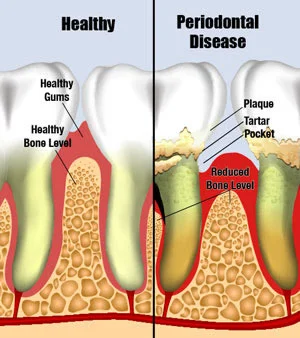
Plaque- A biofilm created by bacteria to allow it to better attach and anchor itself to the tooth.

Tartar/Calculus- The result of plaque hardening on tooth structure. This substance can cause rapid tooth decay and progression of gum disease. Additionally, it is very difficult to remove with home hygiene techniques.

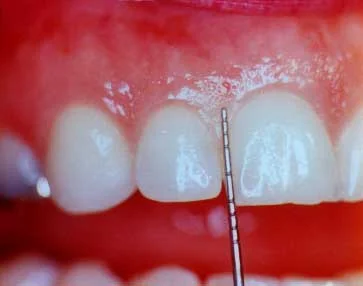
Periodontal pockets- The depth of space between teeth and gums as measured by a “perio probe.” Pockets ranging between 1-3mm are considered healthy and maintainable with normal brushing. Anything deeper is the result of plaque/calculus irritating the gum tissue away from the tooth root.

Bone Loss- The loss of bone height around a tooth as a result of the body’s immune response to the long term presence of plaque and calculus.

A perio probe- The indentations show 1mm and 5mm intervals for measuring pocket depths. 

A perio probe- The indentations show 1mm and 5mm intervals for measuring pocket depths. 


The majority of patients that come to our office receive what is called a prophylactic cleaning (or “prophy”). This is typically considered a standard cleaning that you would receive twice a year on a 6 month recall. The word “prophylactic” indicates that this type of cleaning is strictly preventative care. Here, the patient’s gum tissue is considered to be within the healthy spectrum- mild plaque and calculus, shallow periodontal pockets and no bone loss. Our hygienists will remove any buildup you have incurred since your last visit and make sure there is no progression of gum disease. The purpose of this appointment is to “prevent” your healthy gum tissue from progressing into the spectrum of periodontal disease.

Some patients fall within an in-between state of periodontal disease. While they do not have aggressive bone loss, their levels of calculus, gum recession and periodontal pockets are not within a healthy spectrum. For these patients, we usually recommend a periodontal recall cleaning. This service, usually administered in three month intervals, is a more aggressive maintenance of the teeth and gums. We are no longer preventing periodontal disease; widespread calculus inflammation and tissue detachment marks the clinical presence of disease. These patients are receiving dental scaling for multiple pockets over 4mm- much deeper than a toothbrush can clean. The ultimate goal of this appointment is to prevent moderate disease from progressing further, with the hopes that you will soon be back to normal “prophy” cleanings.

A diagram visualizing the difference between healthy and diseased gum tissue and bone. 

A diagram visualizing the difference between healthy and diseased gum tissue and bone. 

A final category of cleanings exist for individuals who typically have not seen a dentist in a number of years. These patients have excessive calculus, periodontal pockets greater than 4mm on almost every tooth and excessive bone loss over the entire mouth. Not only will home hygiene be insufficient to keep up with the progression of disease, but standard cleaning techniques will fall short as well. Here, we provide scaling and root planing for the the most invasive levels of calculus and plaque removal. The entire mouth is cleaned over two or four appointments, usually with an anesthetic. This type of procedure is usually recommended once to give your mouth a complete, thorough evaluation and cleaning. The goal is to set a healthier baseline for your mouth, so that it can be better managed by regular scheduled cleanings and your personal home care routine.

We recommend all of these periodontal services to a number of our patients for a number of reasons. Sometimes, unique situations will require a combination of approaches, the expertise of specialist or even surgical intervention. Only a thorough evaluation by Dr. Kari or one of our skilled hygienists will give us a true picture of your gum health. If you would like schedule an exam or cleaning, please contact our office. We are here to listen to your concerns and guide you every step of the way!


Comment